
The Future of Wearable Technology and Its Impact on Lifestyle
In recent years, wearable technology has transitioned from a niche market to a mainstream phenomenon, reshaping the way consumers interact with their devices and manage their health. As we delve into the future of wearable technology, it is essential to understand its implications on lifestyle, consumer behavior, and the overall tech landscape.
The global wearable technology market was valued at approximately $116 billion in 2019 and is projected to reach around $265 billion by 2026, according to a report by Fortune Business Insights. This staggering growth reflects a compound annual growth rate (CAGR) of 12.5%, indicating a robust demand for devices that enhance personal health, fitness, and connectivity.
Key Insight: The rapid expansion of the wearable tech market suggests that consumers are increasingly prioritizing health and convenience, driving innovation and competition among tech companies.
One of the most significant trends in wearable technology is the rise of health-focused devices. Smartwatches and fitness trackers have become ubiquitous, with brands like Fitbit, Apple, and Garmin leading the charge. These devices not only track physical activity but also monitor vital signs, sleep patterns, and stress levels, providing users with valuable insights into their health. A survey conducted by the Consumer Technology Association revealed that 30% of U.S. adults own a wearable device, a figure that has doubled since 2016. This shift in consumer behavior underscores the growing importance of health monitoring in daily life.
Moreover, the COVID-19 pandemic has accelerated the adoption of wearable technology. As people became more health-conscious, the demand for devices that could help monitor symptoms and promote wellness surged. For instance, the sales of smartwatches increased by 20% in 2020, with many consumers seeking features like heart rate monitoring and blood oxygen level tracking. This trend is expected to continue as individuals become more aware of their health needs and the role technology plays in managing them.
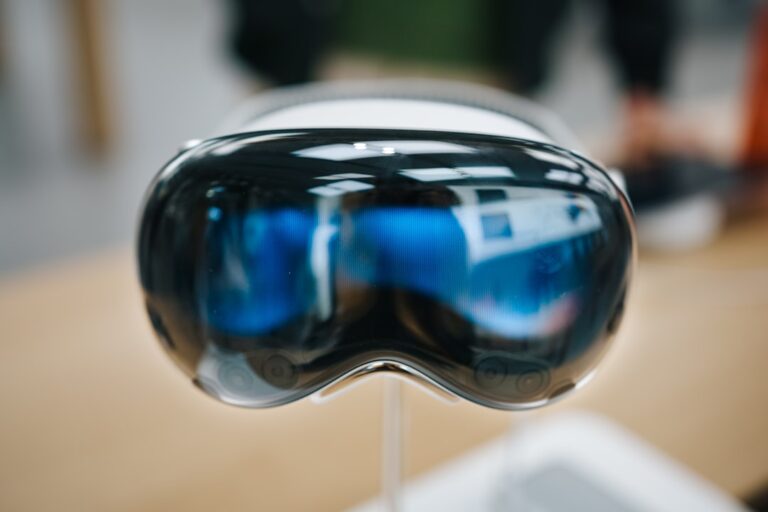
In addition to health monitoring, wearable technology is also enhancing connectivity. Devices such as smart glasses and augmented reality (AR) headsets are beginning to enter the market, promising to revolutionize how we interact with our environment. Companies like Microsoft and Google are investing heavily in AR technology, aiming to create immersive experiences that blend the digital and physical worlds. The potential applications are vast, ranging from gaming and entertainment to education and remote work.
As wearable technology continues to evolve, privacy and data security remain critical concerns for consumers. With devices collecting sensitive health data, users are increasingly wary of how their information is stored and used. According to a survey by Pew Research Center, 81% of Americans feel that the potential risks of companies collecting their personal data outweigh the benefits. This sentiment highlights the need for tech companies to prioritize transparency and security in their wearable devices.
Looking ahead, the future of wearable technology is not just about health and connectivity; it also encompasses sustainability. As consumers become more environmentally conscious, there is a growing demand for eco-friendly tech products. Companies are responding by developing wearables made from sustainable materials and implementing recycling programs. This shift towards sustainability is not only beneficial for the planet but also aligns with the values of a new generation of consumers who prioritize ethical consumption.
In conclusion, the future of wearable technology is poised to significantly impact lifestyle choices and consumer behavior. As the market continues to grow, driven by health awareness, connectivity, and sustainability, it is crucial for brands to adapt to these changing demands. The implications of this technology extend beyond mere convenience; they represent a fundamental shift in how we approach health, communication, and our relationship with technology. As we embrace this new era of wearables, it is essential to remain mindful of the challenges and opportunities that lie ahead.